

AFRICA IN A GOLDEN FRAME
- 19 days
- 3 guests
- Vic-Falls, Chobe, Pans, Okavango (Zam/Bots)
- Fully booked
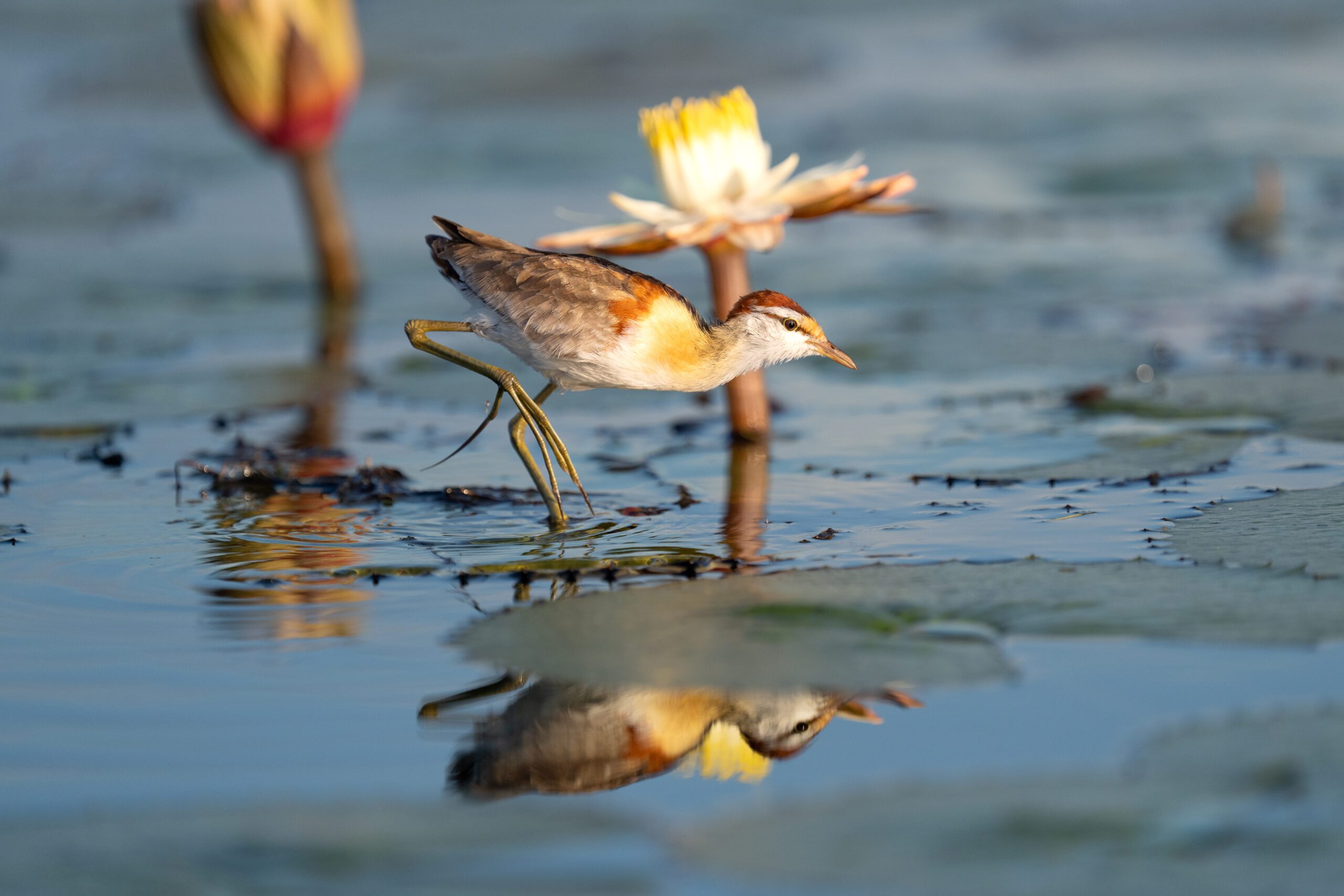
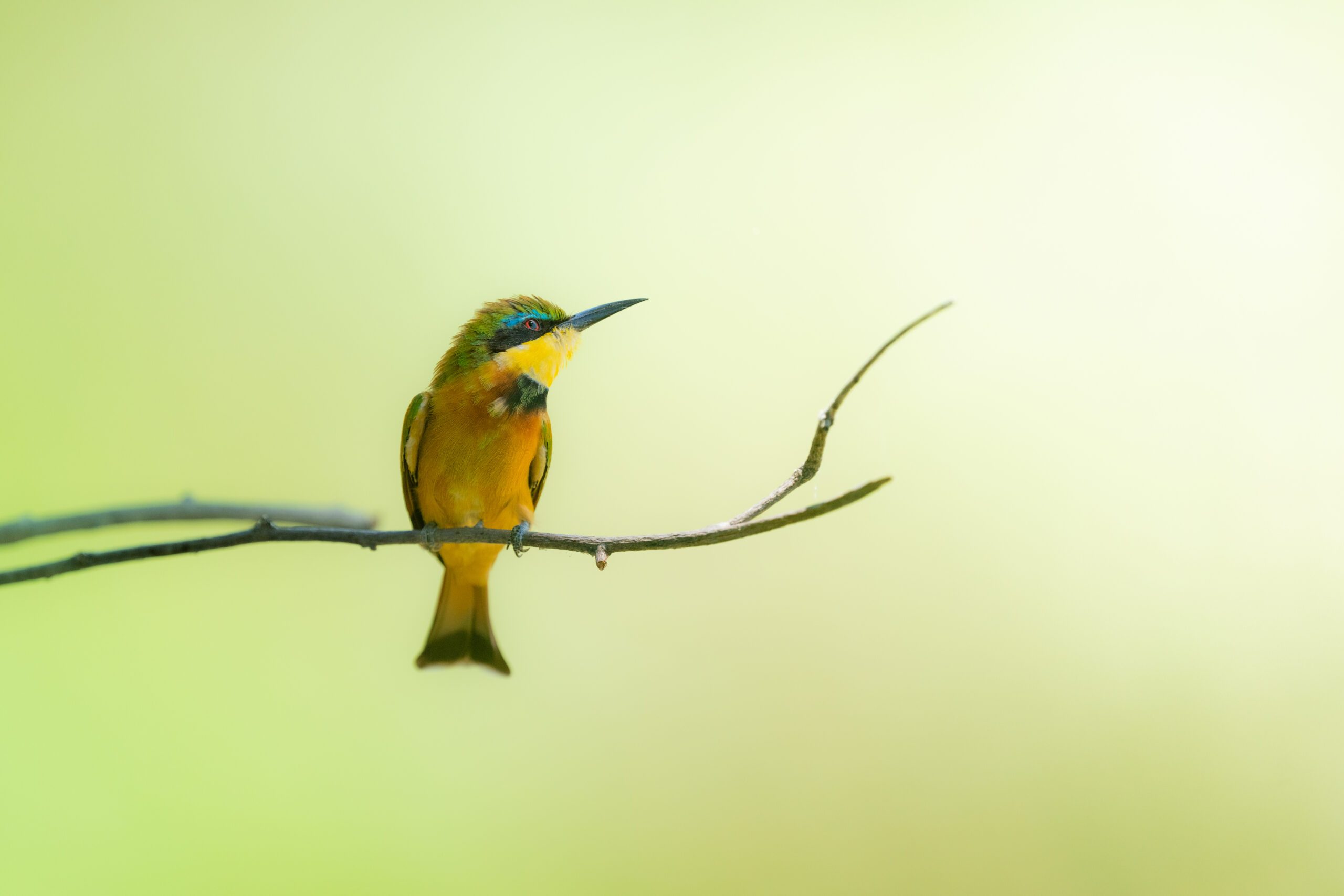
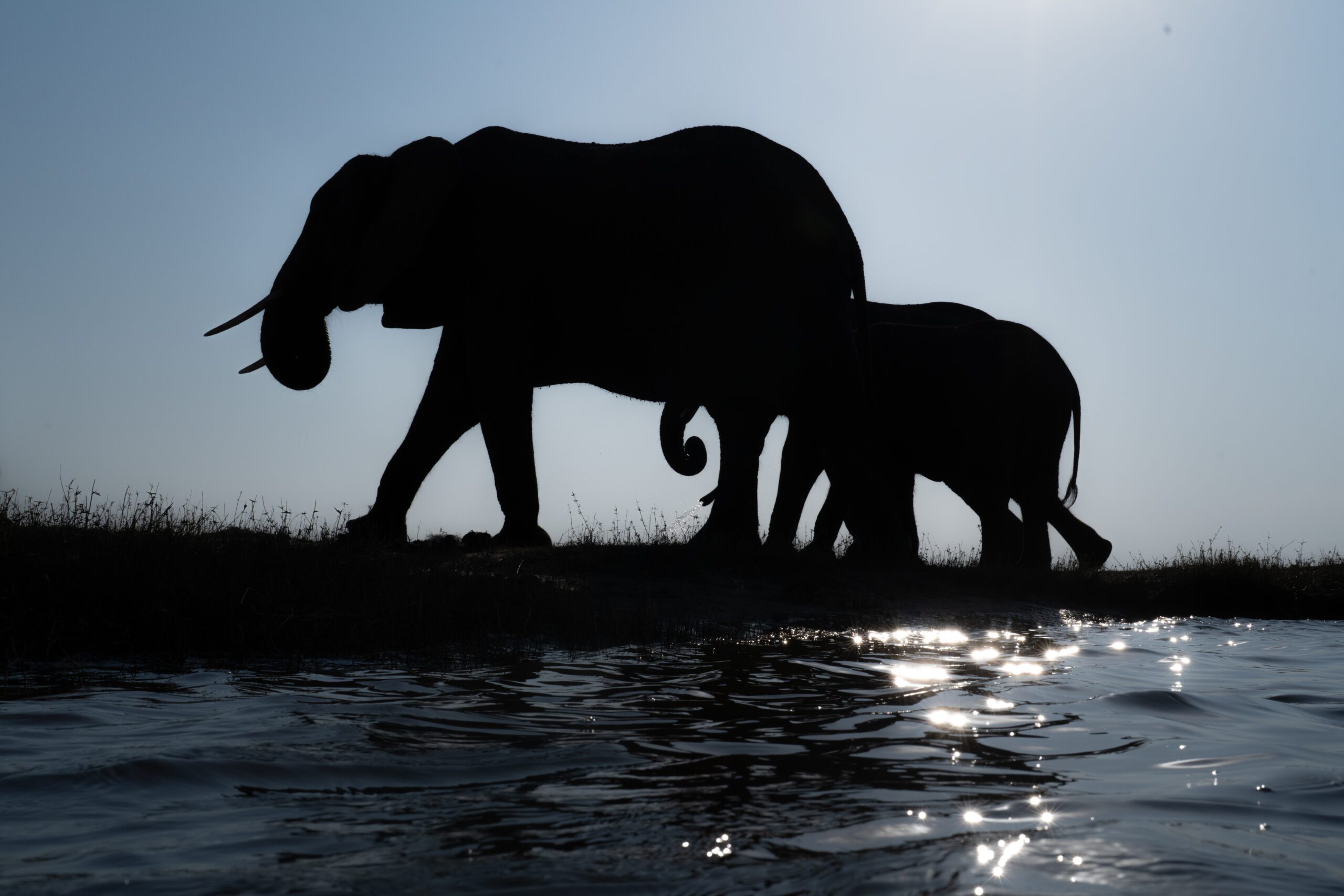

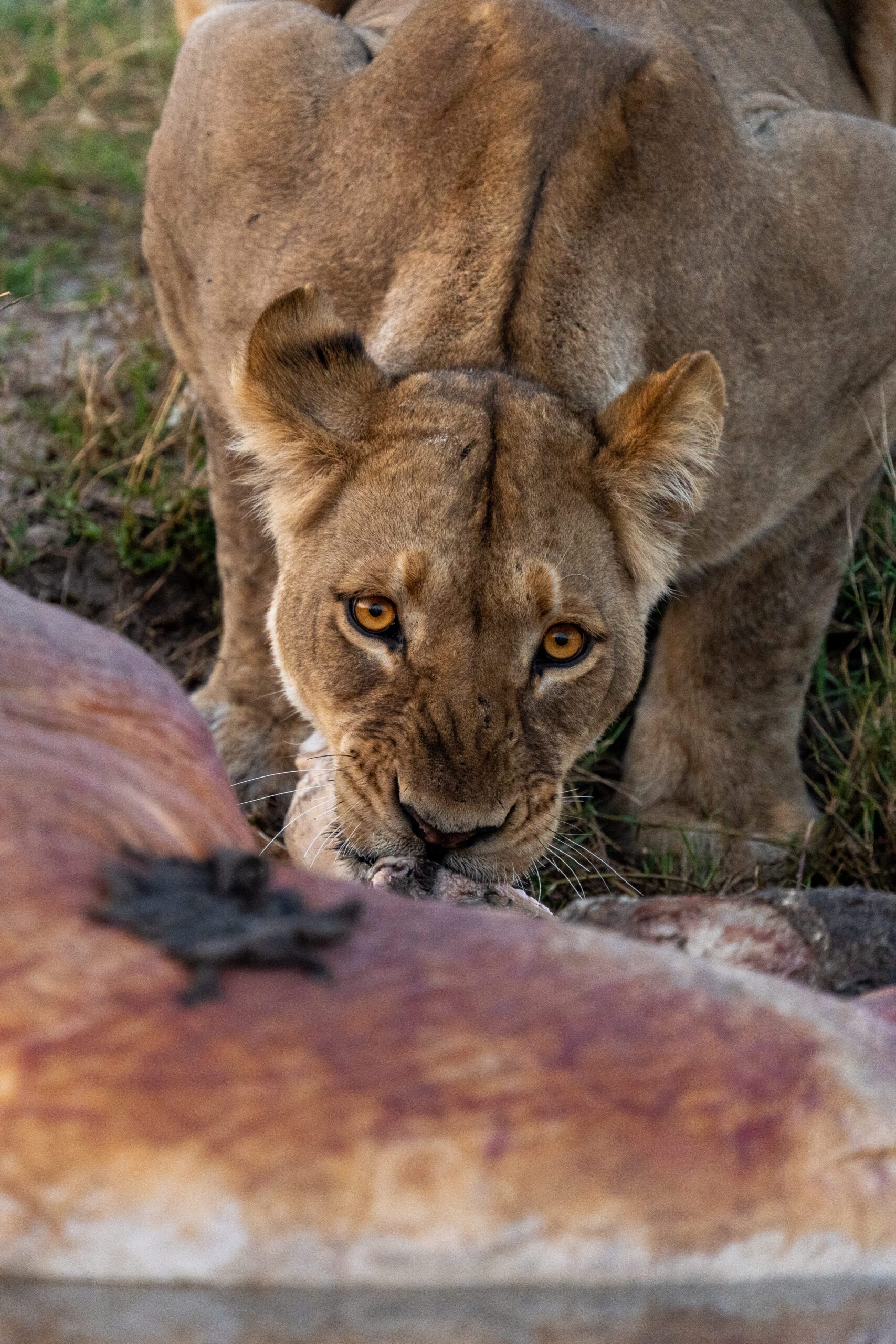
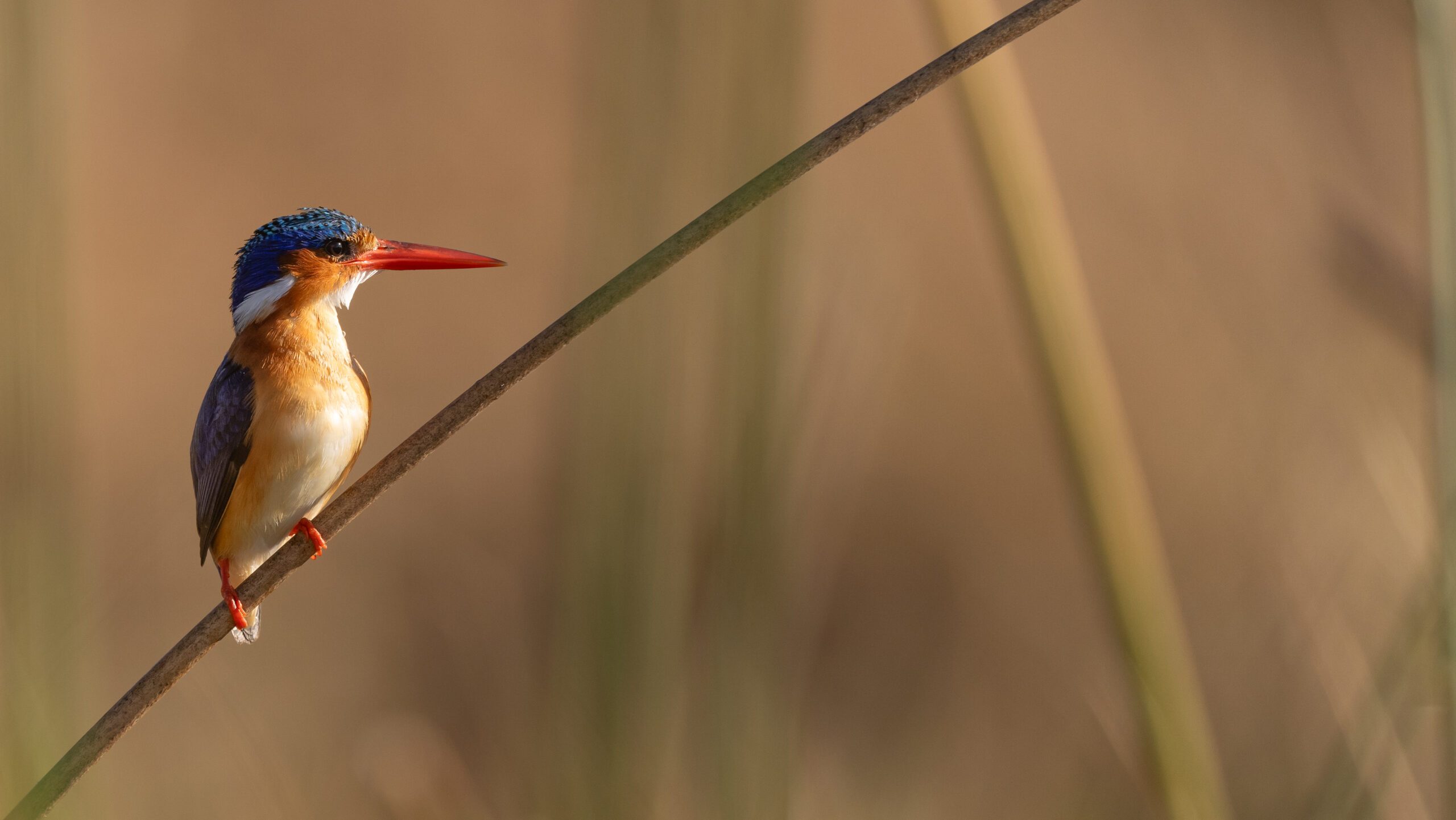
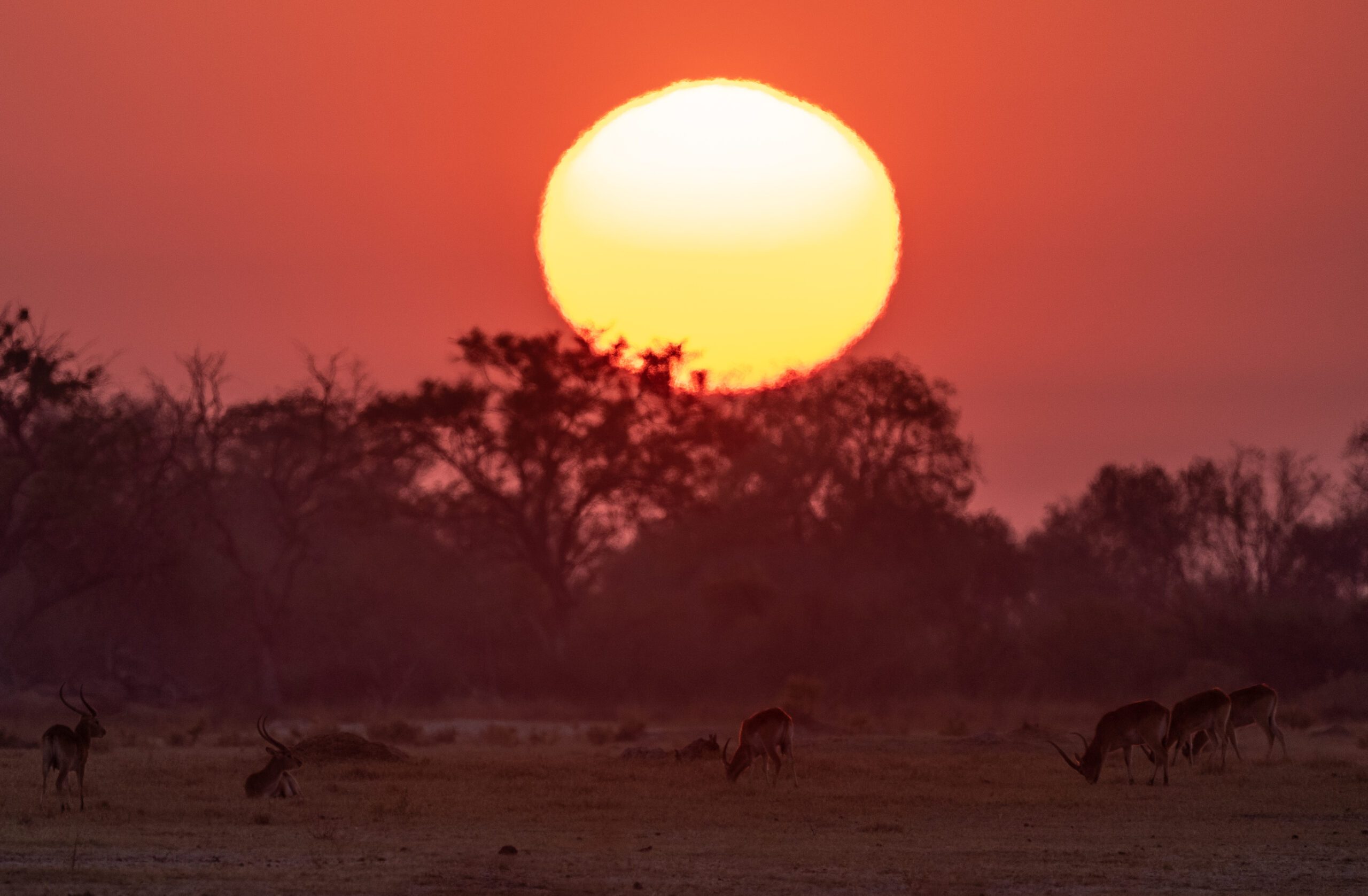
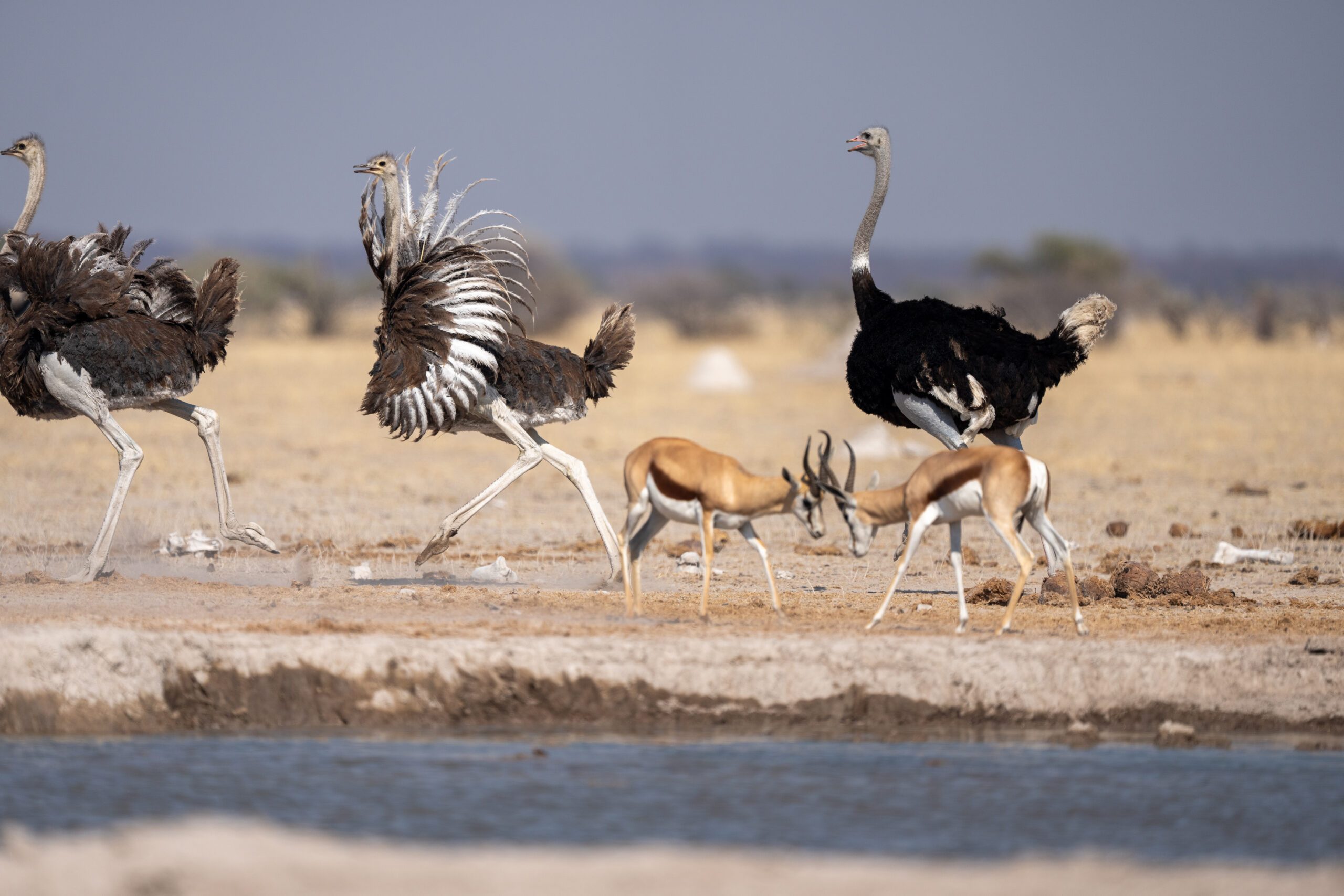
Trip Highlights
Day 1 – June 1, 2025 – Arrival in Livingstone
Arrival at Livingstone Airport, where I will personally welcome you. We drive to our camp directly on the banks of the Zambezi, just a few kilometers from the famous Victoria Falls. After settling in, we embark on a scenic sunset cruise – the golden hour provides perfect photo opportunities. Along the river we may see numerous birds, crocodiles, hippos, and perhaps even elephants.Day 2 – June 2, 2025 – Victoria Falls
Today we visit one of Africa’s natural wonders: the Victoria Falls. We photograph baboons in front of the roaring cascades, trees glittering in the spray, and the mighty waterfalls themselves. Birds such as swallows and turacos thrive in the humid microclimate. With some luck, we may spot antelopes near the gorges.Day 3 – June 3, 2025 – Livingstone to Kasane / Chobe National Park
We cross the famous Kazangula border, where four countries meet. In the afternoon, we set up camp in Kasane near the river. Later, we head out on our first game drive in Chobe National Park with our photo vehicle, searching for big cats and other wildlife gathering near the water.Day 4 – June 4, 2025 – Chobe River (Boat Safari)
We spend the whole day on a private boat on the Chobe River. This water landscape offers endless photographic opportunities – from reflections on the surface to dramatic wildlife encounters. We capture rare African skimmers, kingfishers, bee-eaters, as well as hippos, crocodiles, elephants, and buffalo along the riverbanks. The soft evening light enhances the mood of our images.Day 5 – June 5, 2025 – Chobe River (Boat Safari)
Another day on the boat – now more familiar with the water’s movement and the best angles. We refine our techniques for even more creative shots of birds and big game. Again, we encounter elephant herds, hippos, and a wide variety of exotic waterbirds. The intimate closeness to wildlife from the water remains unforgettable.Day 6 – June 6, 2025 – Kasane to Nata (Bird Sanctuary)
We drive toward Nata and visit the famous Nata Bird Sanctuary, home to colonies of both greater and lesser flamingos as well as pelicans. With a local guide, we search for jackals, hyenas, or antelopes. Particularly striking is the play of color created by the flamingos against the salt flats.Day 7 – June 7, 2025 – Sua Pan Salt Pan
We travel along the vast Sua Pan, one of the world’s largest salt flats. Its endless expanse creates a surreal atmosphere – perfect for minimalist photography. Along the way, we look for antelopes and smaller birds. The ever-changing light moods make the landscape truly unique.Day 8 – June 8, 2025 – Kubu Island
Today we reach Kubu Island, a granite outcrop crowned with ancient baobabs. This magical setting in the middle of the salt pan feels like another world. Photographically, it offers contrasts of rugged rock, giant trees, and endless horizons. At sunset, the scenery glows in warm, mystical colors.Day 9 – June 9, 2025 – Nwetwe Pan
We move to the Nwetwe salt pan, where new photo motifs await. Target of the day: ostriches striding across the open plains at sunset. We also look for birds, jackals, and antelopes. The dramatic evening light intensifies the impression of infinite space.Day 10 – June 10, 2025 – Makgadikgadi Pan – Maun
We explore the wildlife around the Makgadikgadi Pan. Large herds of zebras, wildebeest, oryx, springboks, and giraffes roam the plains. Lions and other predators are also often seen. By evening, we reach Maun, where we stay overnight.Day 11 – June 11, 2025 – Okavango Delta (Helicopter Flight & Khwai)
A true highlight: a one-hour helicopter flight over the Okavango Delta. From above, we photograph water channels, river islands, and with luck, elephants, buffalo, and giraffes. After a short stop in Maun for supplies, we continue into the Khwai Community area.Day 12 – June 12, 2025 – Khwai Community Area
Managed by the local community, Khwai is one of Botswana’s richest wildlife areas. Along the river, elephants, antelopes, and countless bird species thrive. Its remoteness and authenticity make it a very special place. We begin our first game drive in this magical region.Day 13 – June 13, 2025 – Khwai Intensive & Mokoro Excursion
Khwai is famous for its high density of predators, especially wild dogs and big cats. In the morning, we take a silent mokoro trip – a traditional dugout canoe – for close-up shots of birds and landscapes. Cranes, storks, and bee-eaters can be seen along the banks, while elephants wade through the water. Later, we return to tracking predators on game drives.Day 14 – June 14, 2025 – Khwai & Mababe Depression
We set out early, perhaps witnessing a hunting scene. In the afternoon, we cross the river by 4x4 or head into the Mababe Depression, where huge buffalo herds often gather. With luck, we may spot lions or cheetahs on the hunt. The open landscape offers breathtaking panoramas.Day 15 – June 15, 2025 – Khwai Masterclass
Another full day in Khwai. By now, we know the best spots and animal movement patterns. We focus on precision shots and unique perspectives. Patience often pays off – whether with elephants by the river or predators in the mopane bush. The goal: the “top shots” of the trip.Day 16 – June 16, 2025 – Moremi National Park (North Gate & Xakanaxa)
We continue into Moremi National Park, exploring the North Gate area in the morning. Mopane forests and open waterways alternate, home to many antelopes, elephants, and predators. In the afternoon, we take a boat trip at Xakanaxa, deep in the Delta. This watery world is one of the few places to spot the rare sitatunga antelope. With luck, we might even see otters, alongside countless bird species and Delta wildlife.Day 17 – June 17, 2025 – Crossing the Moremi Delta Area
We spend the day crossing the Moremi Delta region, with exciting water crossings and countless photo opportunities. Expect lechwe antelopes, large bird flocks, and the Delta’s characteristic mammals. The diverse mix of swamps and open plains makes this day especially varied. Overnight at Third Bridge.Day 18 – June 18, 2025 – Moremi to Kazikini Camp
One last morning in Moremi – perhaps capturing lions against the rising sun. Then we head toward South Gate to exit the park. At Kazikini Camp, a popular waterhole awaits, perfect for close-range photography. Here we enjoy the freedom to shoot even on foot.Day 19 – June 19, 2025 – Return to Maun & Departure
In the morning, we drive about 2.5 hours back to Maun. From here, you take your flight to Johannesburg and onward to Zurich – or stay longer in Botswana. Packed with unforgettable impressions and a collection of unique photos.Why choose this trip?
Climate & Weather
Prices and Inclusions
Included
- Private guide Ananda Geissberger: Experienced leadership throughout your trip.
- Activities and park fees: All experiences and entry fees for national parks described in the itinerary.
- Accommodations: A mix of beautiful mid-range and luxury lodges.
- Luxurious Toyota Land Cruiser (photo vehicle): Specially equipped vehicle for your photo safari.
- 3 boat safaris: in the Okavango Delta and on the Chobe River.
- Helicopter flight: over the Okavango Delta.
- Meals: Full board, including breakfast, lunch, and dinner except for the last 2 days in Maun (restaurants at own expense).
- Snacks and non-alcoholic beverages: Refreshments during the safari (excluding the last 2 days in Maun).
- Professional photos: High-quality professional photos of your journey as souvenirs.
- Airport transfer: Taxi ride from the lodge to the airport.
- Visa: No visa required for Swiss/German citizens.
Not included
- Flights: Flights to and from Maun (Botswana) are not included.
- Insurance: Travel and health insurance must be arranged separately.
- Meals in Maun: On the first night and the last two days in Maun. Various affordable restaurants are available in Maun.
- Alcoholic beverages: Drinks beyond the included non-alcoholic beverages.
- Tips: Tips for guides, hotel staff, and other service providers are not included.
- Note on Trip Customization